jueves, 8 de junio de 2017

Cocos Nucifera Plantula Farm

Plantula Farm

San Juan, P.R.


Plantula Nursery:
Coco Nucifera
Life Plants

Tree Type:   Fruit Plant.
Palm tree:    Puerto Rico coconut tree.
Botanical  name:  Coco Nucifera.
Common name:    Coconut Palm.
Availability:          3 seedling. In Stock.


Product Description:


3 Coconut tree plants, straight from San Juan, Puerto Rico, easy to specie and grow. Sprout may vary in length and leaves. Bring Puerto Rico and Tropics outside your house. We also have exotic varieties palms and cycad. Check seller's other items. Thank you for your purchase. Fast Shipping!

Specie may come without pot for less weight but wil be healthy, packed the same shipping day.Plant in soil as soon as possible leaving the top part out, use organic fertilizer. It can grow from 10' to 22' feet and bear fruits from 5 to 10 years with the correct temperature. It is a tropical plant.

Coconut Care:

It is very easy to grow. As soon as veceived place it in a container filled with well draining potting soil or directly in the soil were you wont it to be around 12'' inches deep to allow for the roots to grow properly. The coconut point side should be above the soil. After planting the coconut in well draining soil so that the bottom 3/4 of the coconut is in the soil { do not cover the top } pleace it in a warm area and water frequently. Coconuts do best in spots yhat are 70 degrece F. { 21C. } or warmer. Once your coconut tree has started growing, you need to do a few things to help keep it healthy. 

First, water the coconut tree frequently. As long as the soil drains well, you really can't water them too often. It you decide to re-pot your coconut tree, remember to add sand or vermiculite to the new soil to keep the water draining well....Second, look for a fertilizer that provides both the basic nutrients plus trace nutrients like boro, manganese and magnesium. Third, provide supplemental light and keep it away from drafts.


Additional Care:

The tree should be watered immediately after planting and frequently early moening or late night thereafter until the tree is well established. Three to for inches, but no more, of mulch applied to the soil surface around the tree will help retain soil moisture. After the plant is established at least 1 inch of water should be supplied weekly by rainfall or by irrigation, especially during the first year following weed growth trasplanting.

Features:

. Elegant look
. Tropical fruit plant
. Long live.

Product Details:

. Purpose:    Decoration, Household, Indoor  or Outdoor.
. They will shipped bare root.


In Stock
eBay and Amazon Store.


Manager Office
Plantula Farm


viernes, 26 de mayo de 2017

Areca Palm

Areca Palm

Plantula Farm
Scoli Palm seed Company


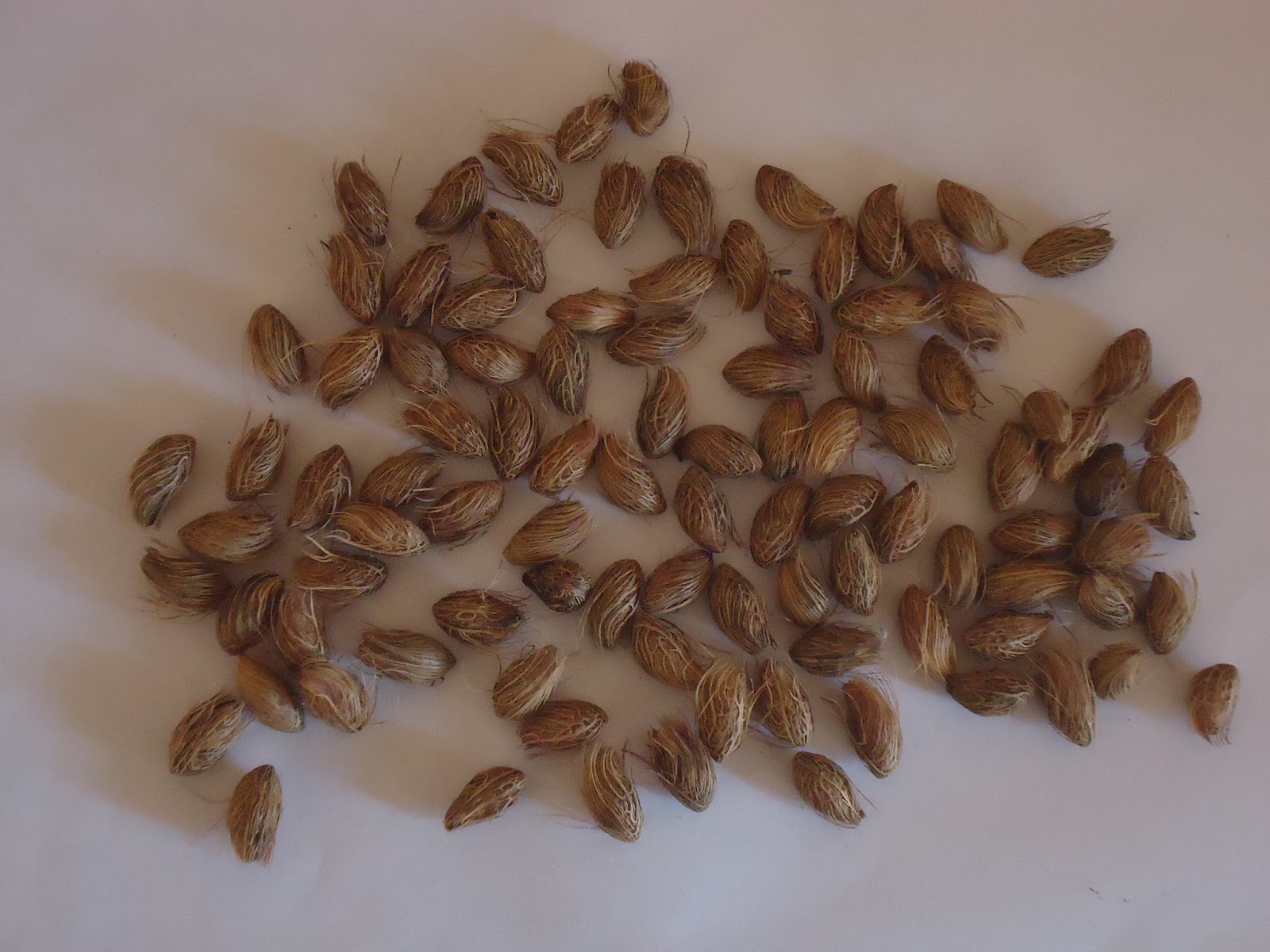
Areca Exotic Palm Seed

Product Description:

Purpose  -  Decoration indoor or outdoor,  Household All applicable, Air purifier, Gifting.
With seed - 20 per pack
Botanical name  -  
Common name   -  Areca Palm
Availability  -  In Stock.  20 seeds per pack.

We are a supplier and producer of Areca palm seeds and seedlings. Also we supplies best quality lawn for garden.

Areca Palm:  Green palm

Plants that detoxity the air. The Areca palm is one of the most popular and grace full palms. It is tolerant of the indoor environment releases copious amounts of moisture into the air. Additionally, the areca is consistently rated among the best houseplants for removing all indoor air toxins tested.


Rinding on unfathomable volumes of industrial expertise, we are providing a broad array of cane palm cane green palm. We also provide facilities on monthly vental basis for more details feel free to contact.


Features:

. Elegant look
. Free from pests
. Long life


jueves, 16 de febrero de 2017

Syagrus romanzoffiana Por: Plántula Farm

Syagrus romanzoffiana


Syagrus romanzofiana


Queen palm tree.
Coco Plumosa palm tree

Availability:


20 seedling per pack           $4.50 US
20 seeds per pack                $4.50 US


Category:  Palms - Exotic, tropical palm tree.


Syagrus romanzoffiana:


This palm has increased in popularity dramatically in recent years due to the increased demand for subtropical gardens. It is a beautiful palm that is easy to find and better yet, easy to grow. Quite fast growing, with a little attention to summer watering and feeding, a small plant will make a dramitic specimen within a few years. As young progress into adults, the fronds develop into feathery plumes that are a dark glossy green. Best in full sun.

It is a medium sized palm, Quickly reaching maturity at a height of up to 49´ft tall, with pinnated leaves. 

Please:

These charges are the buyer's responsibility. Please check with your country's customs office to determine what these additional cost will be prior to bidding or buying.

eBay Store and Amazon

Payment:


I accept only,  PayPal for Payment

Shipping: 


Shipping and handling:    

. Economy shipping, free shipping

. # Tracking number USPS

. 5 - 10 business days

Contact us:


If you have any inquires or any questions, please feel fre to contact us, we wil reply to you in 12 hours. Please contact us by ebay message only.


Plántula Farm

www.plantulafarm.vpweb.com


miércoles, 25 de enero de 2017

Caryota urens. Nursery: Plántula Farm

Plántula Farm

Nursery:  Plántula Farm
Caryota urens
Fishtail palm

Caryota urens:

Name seed:         Caryota urens.
Number seeds:    20 seeds per pack.
Unit price:           $4.50 per pack.
Packaging:           Bag.
Condition:            Fresh seed 2017
Shipping:              Free Shipping US / PR
Store:                    eBay Store

Caryota urens is a species of flowering plant in the Arecaceae palm tree. From the natural habitat is subcontinent, southeast Asia and India where they grow in fields and rain forest clearings. Caryota urens species is a solitary trunked tree that measure up to 39´ft in height and up to 12¨ inch wide. Widely spaced leaf scar rings cover ist gray trunk which culminate in a 20´ft wide, tall leaf crown. The  bipinnate leaves are triangular in shape, bright to dep green. 11´ft long, and held on 24´´ inch long petioles. The obdeltoid pinnae are 12¨¨ inch long with a pointed edge and a jagged edge. The 9.9´ft long inflorescences emergen at each leaf node, from top to bottom, producing pendent cluster of white, unisexual flowers. The fruit matures to round, 0.39¨ inch drupe, red in color with one seed.

Cultivation:

Caryota urens is cultivated as an ornamental tree, and planted in gardens and parcks in tropical and sub-tropical climates. It is also used as an interior and houseplant when smaller.

Payment:

I accept only PayPal for payment.

Shipping and Handling:

. Free shipping.

. Domestic small package Airmail.

. USPS Tracking number.

. 5-10 business days. 

. Buyers, please  not:

These charges are the buyer´s responsibility. Please check with your country´s customs office to determine what  these additional costs will be prior to bidding or buying.

Important: 

Some goods will not allow to import to some states in U.S.A. If the customs do random check and find some prohibit items they may be destroy or return items. For example if they find some seeds they will destroy and send only blank envelop to the customer. In this case the clients are unable to claim refund because we´ve already sant the goods. So please check your custom details before ordering otherwise we will not take any responsible.

Contact us:

If you have any inquires or any questions, please feel free to contact us, we will reply to you in 12 hours.
Please contact us by emails:

.  mandragorapr@gmail.com

. eBay message only.


Plántula Farm
Manager Office

jueves, 18 de agosto de 2016

Chrysalidocarpus lutescens


Plántula Farm

                                                  Chrysalidocarpus lutescens 

An beautyful and elegant green palm with a willow like appearance and one of the most cultivated of all nursery palms. Perfect as a inside, the golden cane bright green leaves comes out from the base of the species. Lovely yeloow flowers bloms for several months. Easy to grow in bright or filtered light. All palm seeds should be planted as soon as recived. Palm seeds at a depth of 1" using a well drained soil mix. Keep damp, war and in bright with high humidity.


. Native to Madagascar where it is extremely rare and endangered.
. Commonly known as the golden cane palm.
. Goldencane palm can grow up to 20' ft.
. Seeds can take 3-5 months to germinate.
. Makes an excellent species for collectors of palm for the home or greenhouse environment.
. Another full palm from seeds of the Rainforest.
. Shoots from the base of the palm can be used to start new plants.
. Grown for the beautiful leaf shape and color and stunning yellow stems.
. Adaptable to most soil conditions, and gradening types, specimen plantings, deck gardens as well as inside.

Plántula Farm

We have been in the seed business for over 17 years and were one of the first to sell palm seeds on the internet many years ago.We will give you guality seed and service. We will be there for you not only today but down the road from now should you need growing help or more seeds. We thank you in advance for your business.

Important: 

All seeds are fresh and viable we will not and can not be responsible for the germinate of any seed since everyone has their own methods of starting, growing and planting them. We will only advise you of what we think works best. See below for more information. 

It is the buyer's responsability to know whether any palm seed is acceptable or allowable for the area being shipped to. Seller is not, not responsible for buyer's use of palm seeds and any dangers thereof. By purchasing this item buyer accepts this understanding.

Seed is a live product which depends on many important grower skills such as proper planting time, seed depth, type of soil, watering, light intensity, proper use of fertilizers, and reasonable weather during the growing period. These factors are totally out of the sellers control and germination and growing results are the buyer's responsibility and risk.


Plántula Farm 
Sale Manager

www.plantulafarm.vpweb.com 


miércoles, 18 de mayo de 2016

Ficha de cultivo árbol de Flamboyán

Delonix regia.

Flamboyán rojo.


Plántula Farm

Por: Lida Olivera


Delonix regia es una especie introducida en la Isla de Puerto Rico su nombre común el árbol de Flamboyán, su hábitat natural es la Isla de Madagascar. Es una de las especies de árbol sumamente colorida y de gran tamaño, uno de sus encanto es la sombra que nos brinda el cual la hace atractiva para los jardines paisajistas. Su altura es un aproximado de 25 a 35 pies de alto. Sus flores rojas se extienden desde la primavera hasta el otoño estas no tiene perfume. El Delonix regia nombre botánico de la especie es de clima tropical. Es tolerante a la sequía y a la salinidad esta condición la hace atractiva para el clima de Puerto Rico. Este encanto de Flamboyán se encuentra naturalizado en el noreste de Argentina, Puerto Rico, Cuba, Florida Estados Unidos, República Dominicana, Islas Vírgenes, Hawaii y México. Es preciso notar que se a encontrado naturalizado en Australia donde se considera como una especie invasora, esto se debe a su amplia sombra el cual impide el crecimiento de especies vegetal alrededor de éste.

Diversidad en color:

Flamboyán amarillo:

Existen diferentes especies de este hermoso árbol el cual se destaca el Flamboyán amarillo el cual su follaje es muy hermoso y denso sus flores amarillas son sumamente perfumadas y su hábitat natural es la Isla de Filipinas, esta especie no es precisamente un Flamboyán aunque lo llaman así en los lugares que se cultiva como especie ornamental.

Flamboyán azul:

Jacaranda mimosa sus flores son de color lila azuladas sumamente perfumadas. Su madera es blanca muy codiciada en Brasil por la ebanistería. Especie natural de Brasil.

Ficha de cultivo:  

Nombre Botánico:   Delonix regia

Nombre común:       Flamboyán rojo, Tabachín, Árbol de fuego y Árbol de la llama.

Hábitat natural:         Islas de Madagascar, Naturalizado en casi toda el área tropical.

Luz:                          Pleno sol en especímenes juveniles y adultas.

Riego:                       Frecuente en el verano, y moderado en las demás estaciones.

Trasplante:               Se recomienda en especímenes juveniles. Se puede cultivar como Bonsai.
                                 De cultivarlo en maceta se recomienda el trasplante anual preferiblemente al 
                                 inicio de la primavera.

Temperatura:            Es sensible al frío, y puede morir.

Reproducción: 

1. Semilla

2. Acodo aéreo

3. Esqueje

Delonix regia. La forma adecuada y sumamente practica es con semillas. Esta forma es muy utilizada por los aficionados o los que gustan del Bonsai. Las semillas se recolectan en primavera. Una ves que llegan al hogar si no están limpias procedemos a escarificar las. Luego se introducen en un vaso con agua a temperatura ambiente esto durante toda la noche. En la mañana notaras que la cubierta que la recubre habrá empezado a desprenderse. De no ser así, debes lijar escarificar un poco y colocarlas en un vaso con agua hasta el otro día. Al día siguiente las colocarlas en un semillero para que prosiga su ciclo de germinación. El primer brote lo observaras a los 10 a 15 días, en el emergerá  los primeros cotiledones es decir las primeras hojas, luego comienza a desarrollar la plántula con sus verdaderas hojas. En este momento es donde lo vas a empezar a trabajar, buscar una maceta propia para su tamaño o Bonsai si es tu interés.

Sustrato: 

Que sustrato puedes usar?

Puedes utilizar turba mezclada con perlita y abono orgánico composta. En el mercado puedes encontrar la tierra mezclada o puedes utilizar ProMix lista para cultivar. El semillero o macetas separadas requieren de calor y una humedad adecuada, es bueno el sol directo de la mañana
6;00 am a 11;30 am. Es de precaución, el procurar un buen drenaje en los semilleros o en macetas, no debes permitir el exceso de agua, las semillas se pueden dañar.

Las insidiosas Plagas:

El Flamboyán, por lo generar es una especie bastante resistente. En Puerto Rico suelen afectarse con la cochinilla polvorosa, pulgones y la polilla el cual esta ultima solo se alimenta de troncos, y ramificaciones o raíces descompuestas. La polilla solo se alimenta de madera podrida. Por favor.... la polilla.... No se alimenta de Cemento y menos de Metal.

Si deseas información sobre estas y otras especies nos puedes escribir  a  Facebook .

Plántula Farm San Juan PR se encuentra al servicio de la comunidad.

Gracias.

Feliz Cultivo!

Plántula Farm
San Juan, PR.


martes, 22 de marzo de 2016

Bismarckia nobilis Por Lida Olivera

Bismarckia nobilis

Plántula Farm

Por; Lida Olivera

Esta imponente y atractiva Areca tropical cuyo origen es Madagascar se distingue por sus hojas de abanico donde su tonalidad consiste desde el blanco azulado al verde. Su limbo puede alcanzar los casi 3´ pies en diámetro es palmada y se encuentra cubiertas de cera. Esta palmera sus peciolos son cerosos y gruesos. Su estípite es liso de color gris, este puede alcanzar una altura de 40´pies. Su inflorescencia femenina y masculina brotan de arboles independientes. 

Esta especie es de bajo mantenimiento, de fácil cultivo y crecimiento rápido. Es de suma Importancia: Que esta especie no se recomienda el trasplante de palmera adulta en cepellón ( bola ) si se extrae del terreno ya que esta se debilita hasta fallecer. Las especies adultas o juveniles se pueden sembrar en el terreno sacándola de su tiesto sin maltratar sus raíces y espigas nuevas. Las semillas germinan de 3 a 5 semanas y su crecimiento es rápido con mucho vigor. Las plántulas pueden adquirir un color  azul oscuro este color es normal, el cambio de color en su tiernas hojas van a la par con su crecimiento y su desarrollo en camino a un ejemplar adulto.
Es una especie que necesita espacio amplio no es recomendable para lugares estrecho o confinada entre espacio pequeño de pared y verja sin ventilación y entradas limitadas en espacio.

La palmera Bismarckia es adaptable a las regiones secas, especie que tolera el frió, pero no las heladas prolongadas. Si vives en un lugar frío debes de proporcionar periodos largos con estaciones templadas a cálidas o secas.
Su cultivo y desarrollo es factible  en climas seco, tropical  y templado a cálido. Es tolerante a los periodos largos de sequía y periodos cortos de inundación, según datos de su hábitat natural.

      Bismarckia nobilis

Ficha de cultivo:

Nombre Botánico;    Bismarckia nobilis.

Nombre común;        Palmera Plateada en PR.

Hábitat natural;         Sabanas de Madagascar.

Altura en pies;           45´ pies.

Crecimiento;              Rápido.

Suelo;                        Con buen drenaje.

Valores;                     Prospera muy bien con pH entre 6 y 8.

Luz;                           Pleno sol en especies adultas y jóvenes, media sombra en plántulas. 

Agua;                        Riego moderado, resiste periodos largos de sequía. 

Temperatura;             Climas templado, Tropical, caluroso y seco.

Viento;                      De moderado a fuerte.

Salinidad;                 Sin datos.

Cultivo;                    Fácil.

Trasplante en especies adultas;           No es recomendable.

Esta especie se encuentra disponible para la venta en semillas y plántulas. 
Para mas información!
Búscanos en Facebook.

Feliz cultivo;

Plántula Farm.